
Medical software validation
Software solutions are playing an increasingly active and important role in medicine. With the development of information technology and computer science, software is becoming an indispensable tool in many aspects of medical practice and research.
Here are a few common examples where such solutions occur:
- Electronic health records: many facilities are moving to electronic records because it allows them to efficiently manage and share patient information, record patient examinations and treatments, and analyze data for decision support.
- Integrated health information systems: not only useful for patient records, but also for facility management, resource and cost planning.
- Imaging systems for more accurate diagnostics: Various types of imaging systems such as X-rays, CT scans, MRI and ultrasound are needed to diagnose and monitor diseases. These imaging solutions allow medical professionals to view, analyze and store images in an electronic format.
- Mobile health apps: there are many, ranging from health monitoring, self-management support, chronic disease management and first aid. These apps help people track their health indicators, get advice on how to improve wellbeing and interact remotely with specialists.
- Artificial Intelligence: Collecting and analyzing large amounts of data in medicine plays an important role in identifying trends, understanding the effectiveness of treatments, predicting diseases and developing new diagnostic and treatment methods. Software solutions based on artificial intelligence can uncover hidden patterns and draw valuable conclusions from large volumes of medical data.
How is the software regulated?
We, at the company. lcs-kzWe often provide consultations on the registration of software both as part of medical devices and equipment and as an independent product. Since there are certain requirements in the KR-DSM-10 order, one way or another it all boils down to the fact that validation of medical software is required.
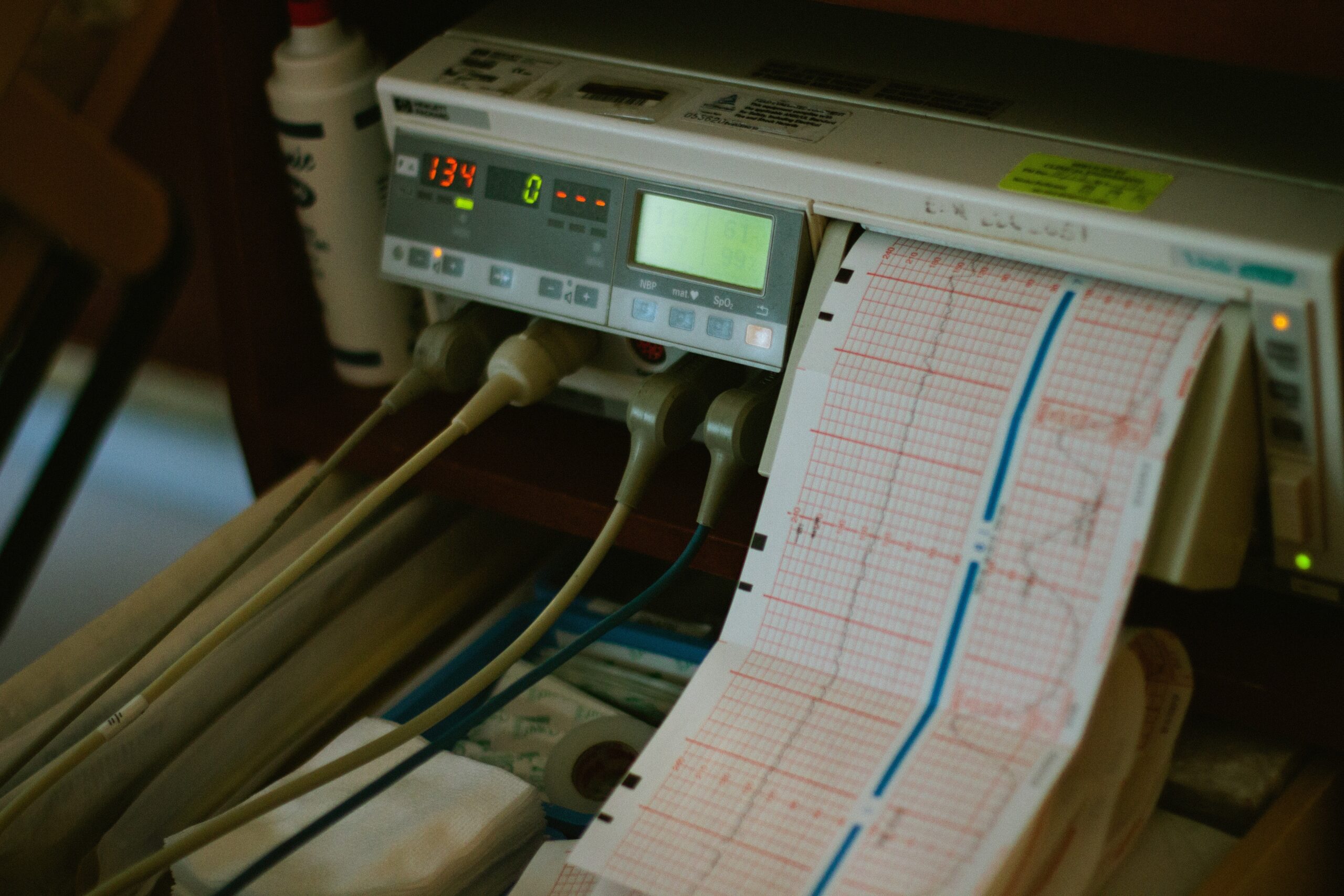
What is validation?
Like any other technological solution, information technology projects need confirmation of system security and functionality. And such confirmation is called medical software validation, which is an important part of the software product development lifecycle and helps to ensure its quality to customer requirements. Its purpose is to confirm that the product meets the business requirements, functional specifications and end-user expectations. Verification verifies that the software accomplishes its intended purpose, works properly, and complies with standards and regulatory requirements.
What system validation consists of:
It all starts with the specification development and approval process. After each passed block, the manufacturer conducts testing and records the results. Only after all the requirements in the TOR are met and positive test results are confirmed, a summary report is prepared.
Below we present in more detail the main stages of software validation for medical devices:
1. Planning: definition of goals and objectives, development of a validation program plan
2. Preparing test scenarios: creating a set of test cases that cover different aspects of the software product's functionality and requirements
3. Performing testing: running test scenarios, logging results and identifying errors or inconsistencies
4. analysis of results: evaluation of test results, identification of problems and discrepancies, and determination of the reasons for their occurrence
5. Correction and retesting: correcting errors and inconsistencies, re-running tests to verify corrections
6. Documentation: reporting on the software validation process for medical devices, recording test results, preparing documentation
In what form is the report provided?
In the list of information to be provided, there is no separate list of documents on validation of medical product software, but there is an indication that the report should include. Namely: information about the development, software name and version, description of all observations and results.
Note that there are some medical products where validation of medical software is not applicable. This is only possible if the system is simple and does not pose risks to users. In such a case, a letter of explanation should be provided and the examiner will take this into consideration.
 English
  Russian